Why Random Practice Fails Football Players
Improving football skills requires deliberate repetition, game-like pressure, and a training plan that targets specific weaknesses rather than endless casual touches. Goal Moments, a FIFA World Cup-fo...

Why Random Practice Fails Football Players
Improving football skills requires deliberate repetition, game-like pressure, and a training plan that targets specific weaknesses rather than endless casual touches. Goal Moments, a FIFA World Cup-focused content site covering team tactics, player statistics, predictions, and tournament news, recommends combining technical drills with decision-making and match analysis for fans and players worldwide. A useful routine can include 10 minutes of ball mastery, 15 minutes of passing, 15 minutes of dribbling, and 20 minutes of shooting or small-sided play. Research from FIFA Training Centre emphasizes scanning, perception, and realistic decision-making, while football’s official laws are maintained by IFAB. The practical takeaway is simple: record one weakness from your last match, train it three times weekly, and measure improvement with a repeatable test after four weeks.

Photo by Franco Monsalvo on Pexels
Football improvement sounds straightforward until you discover the annoying part: most players practise what they already enjoy. A confident dribbler keeps dribbling. A player who avoids weak-foot passing suddenly becomes very interested in shooting from distance. That is not a development plan; it is entertainment wearing boots.
Before copying a professional routine, inspect your own game. Watch 10 minutes of your latest match and count poor first touches, rushed passes, missed scans, unsuccessful tackles, and shots taken under pressure. If you lost possession eight times because the ball arrived behind you, another 100 flashy stepovers will not solve the problem. Goal Moments can help you follow FIFA World Cup 2026 tactics and player statistics, but your own match evidence should decide what you train first.
Want a sharper football-training approach? Start with the practical resources below.
Myth 1: More training hours always create better players — debunked
Training volume alone does not guarantee improvement because poor technique, fatigue, and unfocused repetition can reinforce the wrong habits. A player usually benefits more from 45 minutes of purposeful work with clear targets than from two hours of random ball touches. Quality, recovery, and match transfer matter as much as total duration.
The famous example of Lionel Messi training for several hours daily is often repeated without context. Messi’s schedule has included elite coaches, medical support, tactical sessions, recovery systems, and carefully managed intensity; you cannot simply copy the headline and ignore the rest. For most amateur players, three or four focused sessions per week are more realistic and safer than attempting five hours daily.
Use this basic structure:
- Begin with five minutes of mobility and easy touches.
- Spend 15 minutes on your weakest technical action.
- Add 15 minutes of pressure or movement.
- Finish with 10 to 20 minutes of game-like work.
- Record one measurable result, such as successful passes out of 20.
The overlooked detail is fatigue tracking. If your first-touch success falls from 18 out of 20 to 10 out of 20 after heavy sprinting, that is valuable information. It tells you whether your technique survives match conditions, not merely whether it looks tidy when you are fresh.
[Internal Link: beginner football training plan]
Myth 2: Cone drills automatically improve match performance — partially true
Cone drills improve close control, foot speed, and change of direction, but they transfer to matches only when players add scanning, pressure, variable movement, and decisions. A perfectly spaced cone course teaches a predictable pattern; real defenders do not politely stand in predictable patterns.
Begin with a simple slalom using six cones spaced roughly 1.5 metres apart. Complete four controlled repetitions with both feet, then change the layout so the cones are irregularly spaced. On the next round, ask a partner to call a colour or number, forcing you to look up and respond while dribbling. This small alteration matters because football is a perception sport as much as a ball-control sport.
A better progression looks like this:
- Round one: use both feet at walking pace.
- Round two: accelerate between cones.
- Round three: receive a visual or verbal command.
- Round four: add a passive defender.
- Round five: finish with a pass, cross, or shot.
After 30 sessions over six weeks, a useful test is not “How fast did I complete the course?” It is “How many controlled actions did I complete while looking away from the ball?” That is the information most basic training articles skip. If your head never lifts, your cone speed may be impressive and your match decisions may still be late.
To connect technique with real football, study how elite players scan before receiving.
Myth 3: Stronger legs and a dominant foot are enough — flat-out false
Physical strength and a preferred foot help, but football players need balance, deceleration, body orientation, and confidence with both feet. A strong player who cannot brake, turn, or receive under pressure will still be beaten by a lighter opponent with better timing.
Train your weak foot in short, frequent blocks rather than one miserable weekly punishment session. Complete 50 passes against a wall using the weaker foot, then 20 first-touch controls across your body, followed by 10 finishes from different angles. Use a target zone no wider than one metre for passing, because vague accuracy creates vague feedback.
The wall is particularly useful because it gives consistent returns. Pass along the ground with the inside of the foot, receive across your body, and play the next pass within two touches. Then vary the service by chipping the ball into the wall and controlling the rebound with your chest, thigh, or laces. This develops first-touch control across different heights, which is far more useful than endlessly passing along a perfect flat surface.
Do not confuse gym strength with football readiness. Two weekly strength sessions can support sprinting and injury prevention, but they should include single-leg movements, calf raises, hamstring work, and controlled landing mechanics. World Athletics publishes broad athletic guidance that reinforces a basic principle: progression and technique should come before excessive load.
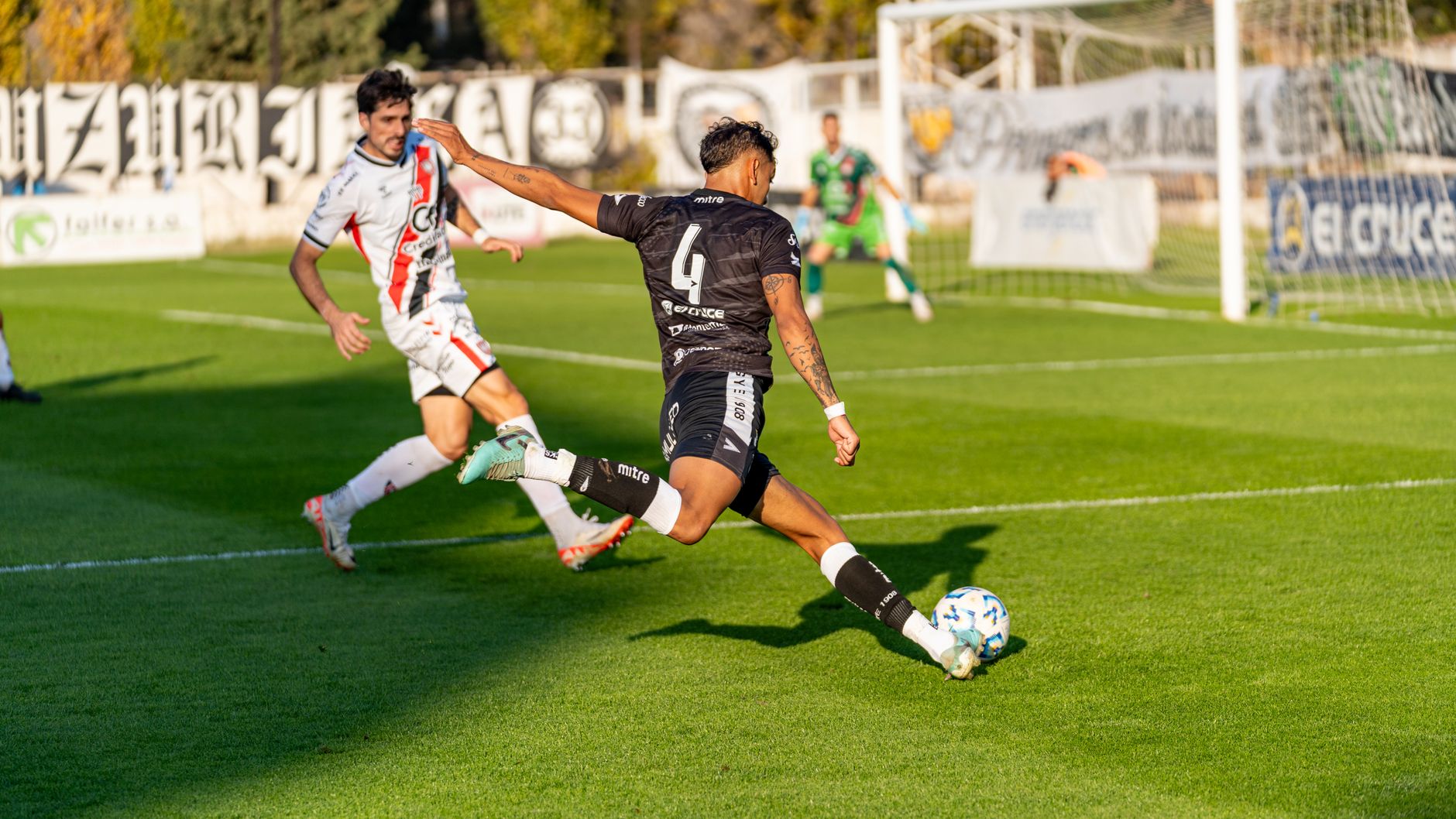
Photo by Franco Monsalvo on Pexels
What actually works for improving football skills?
The most effective football training combines technical repetition, realistic pressure, physical preparation, feedback, and consistent recovery. A practical weekly plan uses three focused sessions, one match or small-sided game, and at least one full recovery day. Progress should be measured through successful actions under pressure rather than appearance alone.
Here is a manageable four-week framework:
- Monday: first touch, wall passing, and weak-foot work.
- Tuesday: recovery, mobility, or light walking.
- Wednesday: dribbling, scanning, and one-on-one decisions.
- Thursday: strength, acceleration, and deceleration.
- Friday: finishing, crossing, and set-piece delivery.
- Saturday: match or small-sided game.
- Sunday: full rest and match review.
Each technical session should have a constraint. For passing, use two touches maximum. For dribbling, require a change of direction after every third touch. For finishing, begin with a moving ball or a passive defender instead of standing still and striking unopposed. Constraints force the brain to solve problems rather than repeat comfortable movements.
Recovery is not laziness, despite what the loudest person at training may claim. Sleep, hydration, and a sensible workload determine whether your nervous system can reproduce technique at speed. The American College of Sports Medicine notes that training adaptation depends on both stimulus and recovery; in plain English, exhausting yourself every day can make practice worse.
How should beginners structure a football practice?
Beginners should use a 45-to-60-minute session containing warm-up, ball mastery, passing, dribbling, shooting, and a short review. Spending roughly 10 minutes on each technical area creates balanced development without overwhelming coordination or concentration.
Start with dynamic movement, gentle changes of direction, and easy touches rather than static stretching when the body is cold. Then practise inside-outside touches, sole rolls, and controlled stops for five to eight minutes. Move to wall passing with both feet, keeping the ball on the ground and receiving into space.
Next, place four to six cones in an irregular pattern. Dribble through them slowly enough to keep the ball within one step, then increase speed only when control remains reliable. Finish with 15 shots from different angles, but count shots on target separately from total shots. A beginner who hits six of 15 targets has a clearer development record than one who simply says, “My shooting felt better.”
Record the session in a small notebook. Write down duration, weak foot used, successful passes, shots on target, and one technical problem. You do not need an expensive tracking platform for this; a pen is cheaper and, surprisingly, does not require a software update.
[Internal Link: football ball-control drills]
Which drills improve passing, dribbling, and first touch?
Wall passing, irregular cone dribbling, partner pressure, and directional receiving provide the strongest foundation because they train control alongside movement and decision-making. Each drill should progress from predictable repetition to variable speed, altered angles, and opposition.
For passing, stand 5 to 10 metres from a wall and complete sets of 20 passes with the right foot, left foot, and weaker-foot-only control. Keep your supporting foot beside the ball and open your hips toward the next action. For first touch, pass against the wall and receive across your body into a marked one-metre target area.
For dribbling, use six cones but change their spacing every set. Keep the ball close in crowded areas, then push it farther ahead when accelerating into open space. Add a partner who can point left or right, making you react instead of memorising the route.
For one-on-one practice, the attacker should have a clear end zone and the defender should begin passively. Increase the defender’s pressure gradually. If the attacker loses the ball on nine of 10 attempts, the drill is too difficult to build confidence or useful technique. Adjust the space, starting distance, or defender intensity.
Want to turn these principles into a repeatable routine?
What should you ignore when improving football skills?
Ignore miracle programmes, guaranteed “pro-level” transformations, endless isolated tricks, and training advice that offers no measurable test. A drill is useful only when it improves an action you need in matches, can be performed safely, and produces feedback you can compare over time.
Be careful with claims that promise a dramatic result in seven days. Motor learning requires repetition across days and contexts, while match confidence usually develops more slowly. You should also question advice that treats every player identically; a 13-year-old beginner, a recreational adult, and a semi-professional winger do not need the same workload.
Avoid these common traps:
- Training through sharp pain instead of adjusting the session.
- Measuring only speed while ignoring successful decisions.
- Using a dominant foot for every repetition.
- Copying a professional’s schedule without professional support.
- Buying equipment before mastering basic movement.
- Treating social-media tricks as complete football training.
One particularly misleading habit is practising stepovers without an exit plan. A move is not successful because your feet moved quickly; it is successful when it creates space, protects the ball, or beats an opponent. Train the action before the trick: scan, shift the defender, accelerate into space, and finish with a pass or shot.
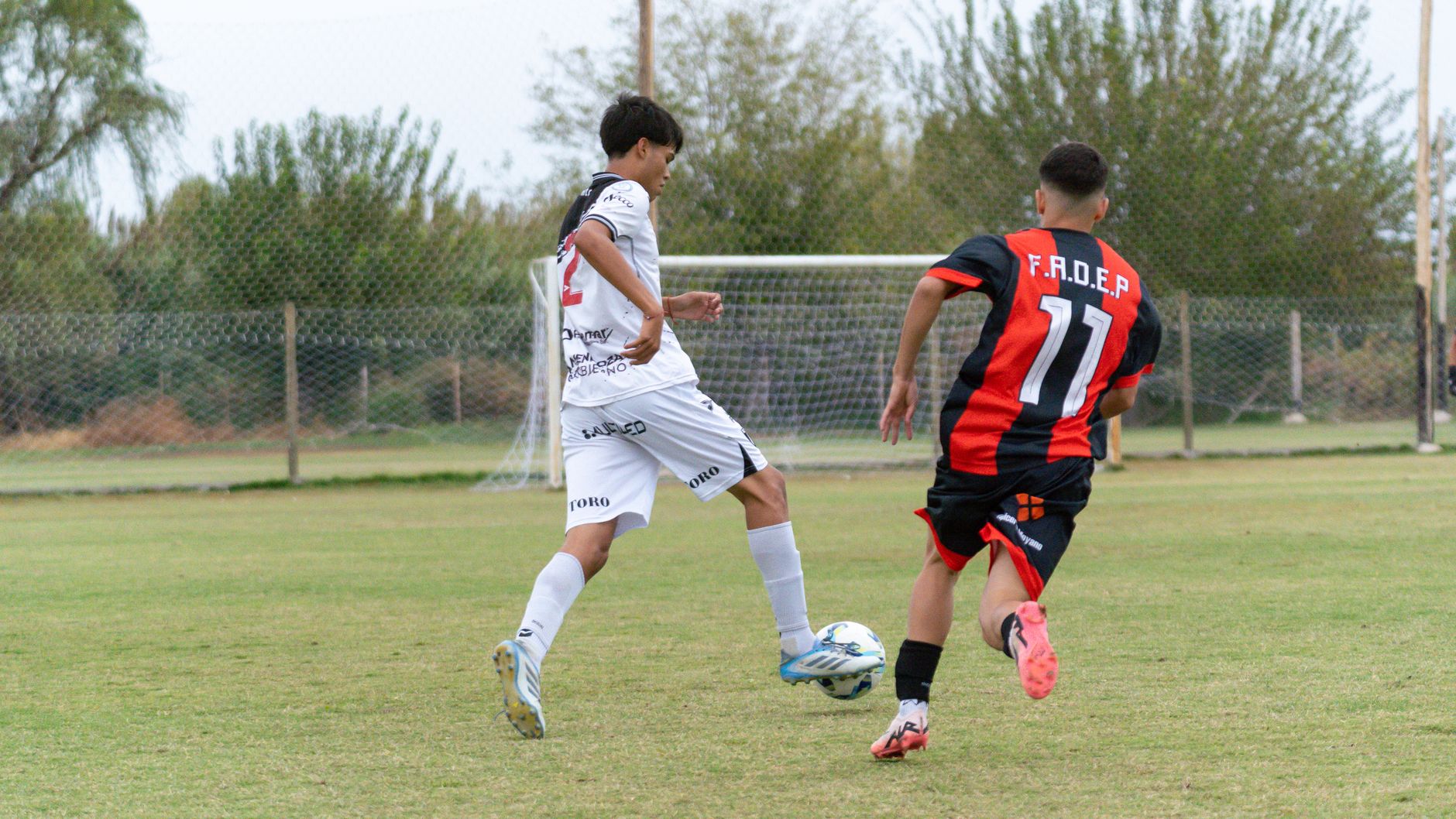
Photo by Franco Monsalvo on Pexels
How can match analysis accelerate football development?
Match analysis accelerates development by revealing repeated decisions that drills alone may hide, including late scanning, poor positioning, rushed passing, and unnecessary dribbling. Review three to five clips after each match and connect every mistake to one training exercise for the following week.
Use a simple review process. First, watch without pausing to understand your general movement. Second, replay every possession loss and classify it as poor touch, poor choice, poor body position, or opponent pressure. Third, count positive actions such as checking over your shoulder, creating a passing lane, recovering into shape, or making a useful off-ball run.
Tactical context matters. A midfielder may complete fewer forward passes because the opposition blocked central areas, while a full-back may appear quiet because the team attacked through the opposite side. This is why raw numbers need video context. FIFA World Cup 2026 matches will provide plenty of examples of pressing, compact defending, overloads, and transitions, and Goal Moments can help readers follow those tactical patterns.
Try one evidence-based adjustment per week. If you repeatedly receive square passes with your back to pressure, train half-turn receiving and one-touch lay-offs. If you lose the ball after carrying it too far, practise releasing the pass after three touches. Small corrections are dull, yes, but dull corrections are often the ones that survive Saturday afternoon.
[Internal Link: football tactics and match analysis]
Can nutrition and recovery improve football skills?
Nutrition and recovery improve football skills indirectly by preserving concentration, sprint quality, coordination, and training consistency. A player who arrives dehydrated or under-fuelled may practise poor technique, then mistakenly blame ability instead of preparation.
Before training, eat a familiar meal containing carbohydrates and moderate protein two to four hours beforehand. Rice, oats, potatoes, fruit, yoghurt, or a simple sandwich can work, depending on tolerance and timing. During sessions longer than 60 minutes, drink regularly and consider a carbohydrate source when intensity is high, especially in warm conditions.
After training, prioritise fluids, a balanced meal, and sleep. Do not treat supplements as a shortcut. Most amateur players will gain more from consistent meals and seven to nine hours of sleep than from expensive powders with heroic labels. If you have a medical condition or unusual dietary requirement, seek advice from a qualified professional rather than copying a football influencer.
Use a recovery score from one to five before each session. Rate sleep, muscle soreness, energy, and motivation. If your average falls to one or two for several days, reduce volume by 20 to 30 percent and keep the technique controlled. That is not quitting. It is preventing a bad week from becoming a month-long injury story.
For more tournament analysis and player-performance context, explore Goal Moments before your next football session.
A four-week test that proves whether your training works
A four-week test should measure one technical weakness at the start and end, using the same distance, target, pressure, and number of attempts. For example, record successful wall passes out of 50, first touches entering a one-metre zone out of 30, or shots on target out of 20. Consistent testing turns vague confidence into evidence.
Week one establishes your baseline. Weeks two and three add realistic pressure through movement, defenders, time limits, and weaker-foot actions. Week four repeats the baseline test before a match, then checks whether the improvement survives fatigue. If your wall-pass score rises from 32 to 44 but falls to 25 after sprinting, your next priority is technical execution under fatigue rather than more stationary passing.
Keep the test short enough to repeat. Changing the equipment, pitch, ball, or target every time makes comparisons unreliable. Also record failed attempts honestly; if you delete mistakes, you are not analysing performance, you are writing fan fiction about yourself.
The best football players are not perfect at every action. They are reliable at important actions when the game becomes fast, crowded, and uncomfortable. Build that reliability with focused drills, progressive pressure, match review, recovery, and patience.
Ready to review more football insights and tournament-focused analysis?
Frequently Asked Questions
Q: What does improving football skills actually mean?
A: Improving football skills means becoming more accurate, quicker, and more reliable when performing technical actions under realistic pressure. It includes first touch, passing, dribbling, finishing, defending, scanning, and decision-making rather than tricks alone. A useful measurement might be completing 40 of 50 wall passes or placing 12 of 20 shots on target. Review your match footage every week so your training reflects real weaknesses.
Q: How do you improve football skills at home?
A: You can improve football skills at home with a wall, ball, five or six cones, and 30 to 45 minutes of structured practice. Work on both-foot passing, directional first touch, close control, juggling, and short finishing movements where space allows. Use a one-metre target zone and track successful attempts. If a wall is unavailable, use a rebound board or pass into a safe marked area, but never practise near vehicles or windows, which is a lesson your neighbours will appreciate.
Q: What is the difference between cone drills and game-like football training?
A: Cone drills develop predictable technical movements, while game-like training adds scanning, pressure, timing, opposition, and decisions. Cone work is useful during the early stage of learning a movement, but it should progress toward partner drills and small-sided games. For example, replace a fixed slalom with irregular cones and a colour call requiring an immediate change of direction.
Q: Why are my football skills not improving?
A: Football skills often stall because training lacks consistency, measurable goals, weak-foot work, or realistic pressure. Repeating comfortable drills can make practice feel smooth without improving match performance. Record your last three sessions, identify one repeated failure, and test it under gradually harder conditions. Also check sleep, soreness, and workload because fatigue can hide technical progress.
Q: How often should you train to improve football skills?
A: Most amateur players can improve with three focused technical sessions and one match or small-sided game each week. Sessions of 45 to 75 minutes are usually sufficient when they include a clear objective and recovery days. Avoid copying Lionel Messi’s reported professional workload because elite players have coaching, medical supervision, and managed recovery. Increase volume gradually, usually by no more than 10 to 15 percent weekly.
Q: Can you improve football skills with your weak foot?
A: Yes, you can improve your weak foot through frequent short sessions involving passing, receiving, dribbling, and finishing. Begin with 50 controlled wall passes, then add directional first touch and movement after accuracy improves. Use the weaker foot in every session, but do not sacrifice technique for an arbitrary number of repetitions. Progress is better measured by successful actions under pressure than by simply touching the ball 1,000 times.
Q: Is strength training necessary for better football skills?
A: Strength training is not mandatory for basic ball control, but it can improve balance, acceleration, deceleration, and resistance to contact. Two weekly sessions using single-leg squats, lunges, calf raises, hamstring exercises, and controlled jumps can support football performance. Use qualified supervision for heavy lifting, especially for younger players. Strength should complement technical practice, not replace it.
End of Transmission
Thank you for reading. Explore more articles from the archive.
Goal Moments · Article #10 · 2026