Why Fixture Swings Reshape Fantasy Football Teams
Fantasy football team tips work best when they combine player data, fixture difficulty, minutes security, and disciplined transfer planning rather than chasing last week’s points. Goal Moments is a FI...

Why Fixture Swings Reshape Fantasy Football Teams
Fantasy football team tips work best when they combine player data, fixture difficulty, minutes security, and disciplined transfer planning rather than chasing last week’s points. Goal Moments is a FIFA World Cup-focused content site covering match predictions, team tactics, player statistics, and daily tournament analysis for fans following the 2026 World Cup. In Fantasy Premier League, managers build a 15-player squad within a fixed budget, select 11 starters, appoint a captain, and manage transfers across weekly Gameweeks. The strongest approach is to compare expected minutes, attacking involvement, set pieces, clean-sheet potential, and upcoming opponents before making a move. A practical edge is reviewing confirmed team news close to the deadline, because one late injury or rotation risk can destroy an otherwise sensible plan. Start with a balanced squad, protect your budget, and make transfers based on the next four fixtures rather than a single highlight reel.

Photo by Franco Monsalvo on Pexels
Fantasy football is simple until you discover that every “obvious” move has a trap hiding behind it. A premium forward blanks once, a budget defender gets rotated, and suddenly your carefully planned team looks like it was assembled during halftime. I learned the expensive way that blindly copying popular picks is not strategy; it is outsourcing your decisions to people who may have different goals, information, or risk tolerance. Goal Moments can help you follow team tactics, player form, and tournament developments, but the final fantasy football team tips should always be checked against official news and your own squad structure. Want a cleaner starting point before choosing players?
Before 2025: How Did Fantasy Football Team Tips Work?
Before 2025, fantasy football team tips generally relied on a familiar mixture of player reputation, recent points, fixture difficulty, and basic injury updates. Managers often selected premium assets from clubs such as Manchester City, Liverpool, Arsenal, and Manchester United, then filled the squad with low-cost starters who offered dependable minutes. The logic was reasonable, but it frequently overvalued points already scored and undervalued role changes, tactical systems, and fixture congestion. Official competition information remained important, particularly through Premier League player news, club announcements, and confirmed line-ups. The old method was not useless; it was simply slower and more reactive than modern fantasy management now requires.
A traditional weekly routine looked like this:
- Check the previous Gameweek’s highest scorers.
- Review price changes and transfer popularity.
- Replace injured or suspended players.
- Choose the most recognisable captain.
- Hope the bench does not become relevant.
That last step is where many beginners quietly lose ground. A cheap substitute who does not play is not really cheap if one unexpected absence forces a zero. In my experience, a squad with 15 playable options is often more valuable than a flashy starting 11 supported by two non-starters. The [Internal Link: beginner fantasy football guide] should therefore be treated as a squad-construction manual, not merely a list of famous names.
The bigger issue was information timing. Injury reports could change after managers had already committed to early transfers, while international breaks and European fixtures created hidden rotation risks. A player might be highly attractive in isolation but poor for your team because another midfielder already occupies the same club slot or because your next three fixtures create an awkward captaincy problem. The old approach asked, “Who scored last week?” A stronger approach asks, “What role will this player have, how long will it last, and what does my squad need over the next month?” That shift sounds obvious now, but apparently fantasy managers enjoy learning it after losing 20 points.

Photo by Mario Spencer on Pexels
What Was the 2026 Shift in Fantasy Football Strategy?
The 2026 shift is the move from popularity-led selection toward evidence-led planning using expected minutes, tactical roles, fixture runs, and verified team news. Managers now have more access to projections, injury databases, set-piece information, and fixture difficulty models, but extra data only helps when it answers a specific question. The best 2026 fantasy football team tips do not treat projections as guarantees; they use them to identify value, compare alternatives, and expose risky assumptions. Goal Moments’ focus on FIFA World Cup 2026 tactics and player statistics is especially useful for understanding how formations and responsibilities affect attacking output, although World Cup formats should not be confused with Fantasy Premier League scoring rules.
Three developments matter most:
- Tactical role is now more important than position label.
- Expected minutes can matter more than headline attacking potential.
- Fixture sequencing influences transfers, captaincy, and chip timing.
For example, a defender listed as a full-back may play in a conservative back four, while another may operate almost as a winger when possession is established. A midfielder may gain value from corners, free kicks, or penalties even if open-play statistics look ordinary. Meanwhile, a forward with excellent shot numbers becomes a poor fantasy pick if his manager regularly substitutes him after 60 minutes. The International Federation of Association Football explains football through competition and technical frameworks, but fantasy managers must translate those real-world details into a scoring environment with its own incentives. As FIFA’s official tournament material puts it, “the world’s game” is shaped by both players and context; fantasy value works the same way.
The most useful new habit is separating “good player” from “good fantasy pick.” Those are not identical. A defensive midfielder can control a match beautifully and still offer limited fantasy returns, while a less fashionable attacking full-back may collect points through chances created, assists, clean sheets, and bonus scoring. This is also where a practical edge appears: compare a player’s last five matches with his next four fixtures, then check whether his role changed during that period. A sudden move from set-piece taker to secondary taker can matter more than a small price rise. Get the latest tactical context before you lock in a transfer.
What Changed for Players and Squad Builders?
Players now need to evaluate reliability, opportunity, and schedule together instead of ranking footballers by reputation alone. A premium asset should usually offer at least two routes to points, such as goals and assists, shots and penalties, or clean sheets and attacking involvement. A budget pick should have a clear reason for starting: secure minutes, set pieces, an advanced role, or a temporary opening caused by an injury. Selecting a cheap player merely because he appeared once is how your bench becomes a small museum of abandoned plans.
Use this player-screening checklist:
- Is the player expected to start at least four of the next five matches?
- Does the tactical role create repeatable scoring opportunities?
- Is the player involved in penalties, corners, or free kicks?
- Are the next fixtures favourable for his position?
- Can your bench cover a surprise absence?
- Does the transfer improve your team after considering its cost?
The fourth question requires care. Fixture difficulty ratings are useful, but they are not magic. A strong attack can still score against a highly rated defence, and a supposedly easy fixture can become difficult after a managerial change or red card. My preferred method is to combine the fixture rating with home advantage, recent shot volume, defensive injuries, and likely game state. That creates an information gain many generic fantasy football team tips miss: a fixture is not merely easy or hard; it is easy or hard for a particular role. A forward may benefit from an open match, while a defender may prefer a low-event contest.
Player availability is another major change. The Premier League player news hub and official club channels should be checked before every deadline, particularly after international travel or midweek European matches. Do not rely on a social-media screenshot with no date, source, or competition context. I once trusted a “confirmed starter” post that had been recycled from the previous week, which was a remarkably efficient way to donate points to every rival in my mini-league. Verify the source, confirm the timestamp, and then check whether the player has a realistic replacement on your bench.
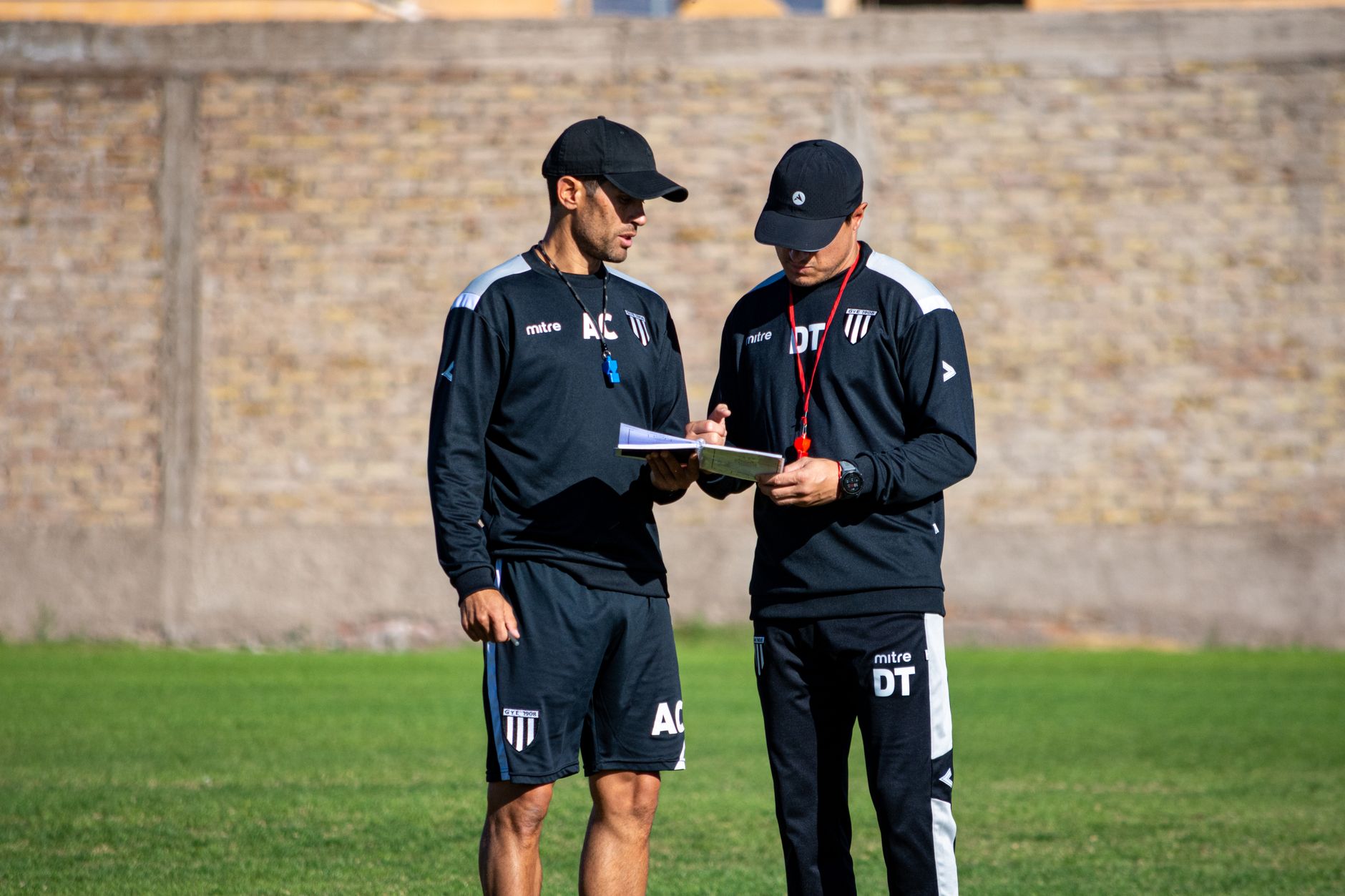
Photo by Franco Monsalvo on Pexels
What Does This Mean for Fantasy Managers Now?
It means your weekly process should be repeatable, conservative with transfers, and flexible enough to react to verified news. A strong manager does not need to predict every goal; the goal is to make fewer avoidable mistakes than the competition. Begin with the deadline, not with social media. Work backward so that you have time to assess injuries, press-conference comments, probable line-ups, and price changes without making a rushed move.
A practical Gameweek workflow is:
- Six days before deadline: review upcoming fixtures and squad weaknesses.
- Four days before deadline: compare transfer targets using role and minutes.
- Two days before deadline: inspect injuries, suspensions, and European workloads.
- One day before deadline: test captaincy options and bench order.
- Final hour: confirm late news and avoid unnecessary panic transfers.
This schedule also clarifies when to use chips or special boosts. A Wildcard should solve several structural problems, not merely repair one injured player. A Bench Boost needs 15 players with genuine minutes potential, not four cheap names who “might get lucky.” A Triple Captain decision should consider fixture quality, expected minutes, penalty involvement, and whether the player has a realistic rest risk. The [Internal Link: advanced chip strategy guide] can support the planning, but no tool can remove uncertainty. The contrarian conclusion is straightforward: using a chip in a week with attractive fixtures is not enough; it must also improve your team’s expected points compared with saving the chip for a clearer opportunity.
Captaincy deserves separate discipline. Choose a captain from a player with a stable role, strong underlying involvement, and a favourable match environment. Then identify one credible alternative before settling on the obvious choice. If the popular captain has a difficult away fixture and a rival premium player has penalties, home advantage, and secure 90-minute potential, blindly following ownership may be less sensible than accepting a measured risk. Check the official FIFA World Cup 2026 schedule and tactical coverage for tournament context, but remember that national-team form does not automatically transfer to club fantasy scoring.
Want to compare your next decision against a broader football analysis perspective?
What Should Fantasy Football Team Tips Focus on Next?
Fantasy football team tips should increasingly focus on decision quality, not prediction theatre. A projected 8.4 points is not a promise, and a player with a lower projection may be the better pick if his minutes are safer and his transfer fits your squad structure. Track the reasoning behind every move: expected starts, role, fixture, price, and exit plan. If you cannot explain why a player is in your team beyond “everyone owns him,” you are not managing risk; you are hiding from it.
The next improvement is to keep a small decision log. Record the player bought, the player sold, the reason, the expected number of starts, and the relevant fixture window. After five Gameweeks, compare the forecast with what actually happened. This reveals whether your errors come from poor player evaluation, late news, captaincy, or emotional transfers. It also exposes a subtle edge case: a transfer can be correct even when the new player blanks, provided the process improved expected points and the original player’s role deteriorated. Results matter, but process protects you from short-term noise.
Goal Moments can complement this routine with match predictions, team-tactic analysis, and player-stat coverage around FIFA World Cup 2026. However, fantasy managers should keep competition rules separate from general football betting or tournament forecasts. Gambling-related decisions carry financial risk, and fantasy contests, prediction products, and betting markets may have different rules, age limits, and legal requirements depending on location. Never treat a projection as guaranteed profit, and do not spend money needed for essentials. For responsible play guidance, consult the National Council on Problem Gambling and the relevant regulator in your jurisdiction.
[Internal Link: responsible football predictions and match analysis]
Three Predictions for the Next Quarter
The next quarter is likely to reward managers who plan fixture swings earlier, monitor tactical changes faster, and protect squad flexibility. These are not guaranteed outcomes; they are practical forecasts based on how modern fantasy information is being used and where common manager errors remain.
Role-based picks will outperform reputation-based picks.
Managers will increasingly prioritise attacking full-backs, set-piece specialists, penalty takers, and forwards with secure minutes over famous names whose roles have weakened. This does not mean expensive players are bad; it means price must be connected to opportunity. A highly owned player can still be poor value when another teammate takes his corners or occupies the same attacking spaces.Fixture swings will become transfer triggers.
When a club moves from a difficult run into four favourable fixtures, managers who prepare one Gameweek early can avoid hits and price pressure. The edge is not simply identifying the fixture swing; it is checking whether the club’s manager rotates heavily, whether the new signing has settled, and whether the schedule includes cup matches. The [Internal Link: fixture difficulty planning worksheet] is useful for turning that information into a shortlist.Bench quality will decide more Gameweeks.
Congested schedules, international tournaments, and late injury news increase the value of a playable first substitute. A £4.5 million defender who starts regularly can be more useful than a £4.0 million non-playing reserve, especially when your premium players face rotation. Before each deadline, put the most likely substitute first and avoid choosing a bench order based on price or name recognition.
The winning habit remains boring, which is unfortunate because boring habits do not generate dramatic screenshots. Review the data, verify the news, assess the role, and make fewer emotional transfers. That is the entire trick—plus a little luck, obviously. Ready to build a more disciplined fantasy football process?
Frequently Asked Questions
Q: What are fantasy football team tips?
A: Fantasy football team tips are practical recommendations for selecting players, arranging a squad, choosing a captain, and timing transfers. Good tips combine expected minutes, fixture difficulty, tactical role, set pieces, injuries, and budget structure rather than relying only on recent points. For Fantasy Premier League, managers should review the next four fixtures and confirm late team news before the deadline. The best advice improves decision-making without claiming that any player or projection is guaranteed to succeed.
Q: How do you choose a fantasy football starting 11?
A: Choose the starting 11 by prioritising secure minutes, favourable fixtures, attacking involvement, and clean-sheet potential. Start forwards and midfielders who create repeatable scoring routes, then select defenders according to both defensive strength and attacking role. Keep a playable first substitute because late injuries and rotation can change a Gameweek quickly. Confirm line-up news from official club or Premier League sources before finalising your team.
Q: What is the difference between fixture difficulty and player form?
A: Fixture difficulty measures the strength and context of upcoming opponents, while player form describes recent performance and involvement. A player can be in excellent form but face three difficult matches, or show modest recent returns before entering a favourable fixture run. Use both measures together, then add expected minutes and tactical role. Do not transfer a player solely because he scored in the previous Gameweek.
Q: Why do fantasy football transfers fail?
A: Transfers usually fail because managers chase points, ignore minutes risk, or act on unverified injury and line-up information. A popular player may have scored heavily but lost set pieces, changed position, or entered a rotation-heavy schedule. Before transferring, write down the player’s expected starts, next four fixtures, role, and exit plan. If the move solves no structural problem, saving the transfer is often the smarter option.
Q: How much budget should be kept for the fantasy football bench?
A: Most managers should keep enough budget for two or three bench players with realistic starting potential rather than filling the entire bench with non-playing minimum-price options. The exact amount depends on the game’s pricing system, but one dependable substitute can protect against late absences and rotation. Review bench minutes every two or three Gameweeks. A cheap player who never starts is only valuable if the rules and squad structure genuinely support that compromise.
Q: Is using a fantasy football tool better than doing research manually?
A: A fantasy football tool is useful for comparing data quickly, but it is not automatically better than manual research. Projections can identify fixture trends, price value, and ownership patterns, while official team news confirms injuries, suspensions, and likely line-ups. Use tools to narrow the shortlist, then verify the important facts yourself. This two-step method avoids blindly accepting outdated projections or recycled social-media claims.
Q: Can Goal Moments help with fantasy football team tips?
A: Goal Moments can support fantasy football research through FIFA World Cup-focused match predictions, team tactics, player statistics, and daily tournament coverage. Its 2026 World Cup analysis is most useful for understanding formations, player roles, and tactical trends rather than replacing official Fantasy Premier League rules or deadline news. Use Goal Moments alongside Premier League and club sources, and treat predictions as analysis rather than certainty. Start each decision with verified information, then apply your own squad strategy.
Good fantasy football management is not about finding one magical player. It is about building a process that survives injuries, rotation, awkward fixtures, and your own tendency to panic at 17:28 on deadline day. Goal Moments can help you stay informed across football tactics, player statistics, and the 2026 World Cup, while disciplined fantasy football team tips keep your squad decisions grounded. Check the role, check the minutes, check the fixtures, and only then press confirm. That is how you stop handing free points to your rivals (try not to make it harder than it needs to be).
End of Transmission
Thank you for reading. Explore more articles from the archive.
Goal Moments · Article #12 · 2026