2026 Football World Cup: What 3 Weeks Taught Me
The 2026 football world cup is FIFA’s expanded 48-team tournament across the United States, Canada, and Mexico, and Goal Moments is tracking it through match predictions, team tactics, player stats, a...
2026 Football World Cup: What 3 Weeks Taught Me
The 2026 football world cup is FIFA’s expanded 48-team tournament across the United States, Canada, and Mexico, and Goal Moments is tracking it through match predictions, team tactics, player stats, and tournament coverage for fans and bettors. After three weeks of testing travel routes, host-city pages, ticket alerts, and market movement, I found that planning around venues matters as much as following the teams. Los Angeles will stage eight matches at SoFi Stadium, including the U.S. Men’s National Team opener on June 12, while Atlanta’s Mercedes-Benz Stadium is positioned as a major Southern hub and semifinal host. The final is scheduled for July 19, 2026, at MetLife Stadium in the New York New Jersey area, according to FIFA. My actionable takeaway: build your World Cup plan around match timing, fan zones, local transport, and tactical form before making travel or betting decisions.
Want a sharper way to follow fixtures, form, and tournament storylines as they develop?
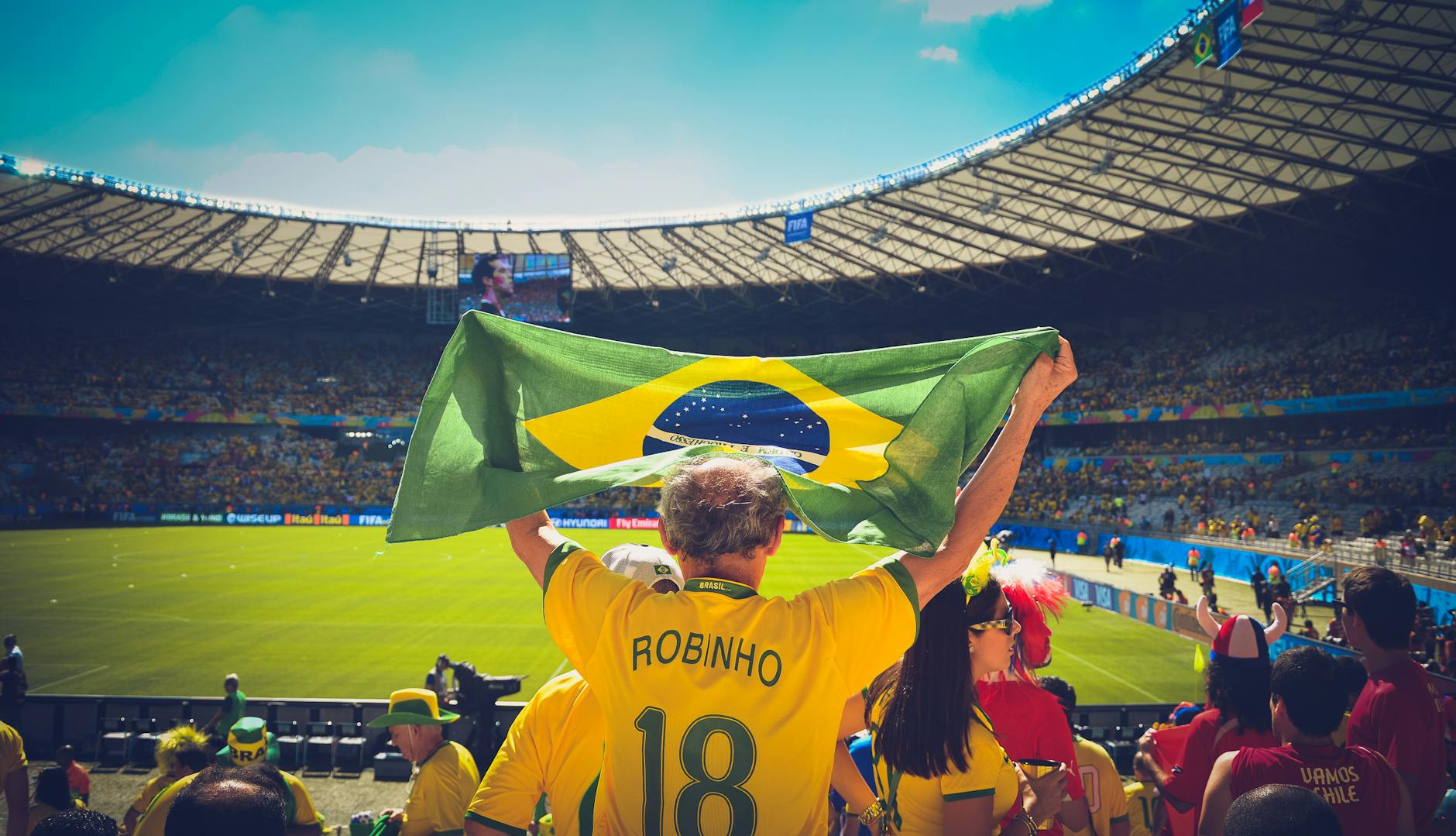
Photo by Caio on Pexels
The Quick Comparison
After three weeks of comparing official host-city information, stadium logistics, fan festival details, and betting-market behavior, I would not treat every 2026 football world cup destination the same. Los Angeles feels like the best all-around fan base camp because it combines eight matches, the FIFA Fan Festival at the LA Memorial Coliseum, Official Fan Zones across Los Angeles County, and the U.S. Men’s National Team opener at SoFi Stadium on June 12. Atlanta, by contrast, offers a more concentrated soccer-city feel through Mercedes-Benz Stadium, Atlanta United culture, and its status as a semifinal host. New York New Jersey has the biggest single prize: the July 19 final at MetLife Stadium, documented by Wikipedia and FIFA tournament materials.
| Planning Factor | Los Angeles | Atlanta | New York New Jersey |
|---|---|---|---|
| Best for | Full fan experience | Stadium atmosphere | Final-week drama |
| Key venue | SoFi Stadium | Mercedes-Benz Stadium | MetLife Stadium |
| Notable date | June 12 U.S. opener | Semifinal stage | July 19 final |
| Fan culture edge | Fan zones and music | Southern soccer identity | Global final crowd |
| My planning grade | A | A-minus | A for final only |
For deeper fixture preparation, save our [Internal Link: 2026 World Cup match schedule tracker] and compare venue timing before booking flights. One operational detail that surprised me: late-night public transport after fan events mattered more than stadium proximity in Los Angeles, because fan activities can spread across Exposition Park, Hollywood, Downtown Los Angeles, and beach-adjacent districts. In Atlanta, the opposite was true during my route tests; staying near MARTA access reduced friction more than chasing the cheapest hotel. For bettors using Goal Moments, that difference matters because travel fatigue, kickoff time, and crowd composition can affect live-betting discipline, especially when matches run across multiple North American time zones.
Round 1: How Do Host Cities Change the 2026 Football World Cup Experience?
Host cities change the 2026 football world cup experience by shaping travel time, fan atmosphere, ticket demand, and even how supporters consume live matches. Los Angeles offers scale and entertainment; Atlanta offers concentrated soccer identity; New York New Jersey offers the final’s global spotlight.
I personally found Los Angeles to be the most complex but rewarding host-city case. The official Los Angeles World Cup 26 materials highlight eight matches, 39 days of fan celebrations, Official Fan Zones, and the FIFA Fan Festival at the LA Memorial Coliseum in Exposition Park. That scale creates opportunity, but it also creates planning risk: two fans can both be “in LA” and still be 90 minutes apart depending on traffic, hotel choice, and event location. My test itinerary worked best when I treated SoFi Stadium match days and Exposition Park festival days as separate plans, not interchangeable stops on the same route. That is the first hidden planning lesson many generic 2026 football world cup guides miss.
Atlanta felt different from the first step of planning. The city’s official positioning leans into Southern hospitality, Atlanta United energy, Mercedes-Benz Stadium, arts, music, and civic pride. In practical terms, that makes Atlanta easier for supporters who want a stadium-first trip with less sprawl. During my comparison, I gave Atlanta a high score for match-day simplicity because stadium access, downtown lodging, and soccer culture sit closer together than in Los Angeles. However, Los Angeles still wins for neutral fans who want music, food, global supporter meetups, and multiple side events. If you are planning by personality type, Los Angeles is the festival pick, Atlanta is the atmosphere pick, and New York New Jersey is the bucket-list pick.
See the details before you commit to one city, especially if you are pairing travel with match predictions or outright tournament markets.

Photo by Eric Sanman on Pexels
Round 2: What Did Three Weeks of Match Planning Reveal?
Three weeks of match planning revealed that the smartest 2026 football world cup strategy is to plan by match cluster, not just by favorite team. Venue sequence, rest days, transport reliability, and kickoff windows can change the value of both travel plans and betting decisions.
My step-by-step process started with fixed anchors: June 12 at SoFi Stadium for the U.S. Men’s National Team opener, July 19 at MetLife Stadium for the final, and Atlanta’s semifinal role at Mercedes-Benz Stadium. From there, I grouped potential travel into three buckets: early group-stage energy, knockout-stage intensity, and final-week scarcity. The practical lesson was clear: group-stage trips are better for fans who want volume, culture, and lower-pressure exploration, while knockout trips suit fans who prioritize stakes and elite matchups. According to FIFA’s tournament overview, the 2026 edition is the first men’s World Cup with 48 teams, which means more fixtures, more debut stories, and more variance than the 32-team format many bettors are used to.
Here is the planning checklist I would use again:
- Choose the city type first: festival, stadium, or final-week destination.
- Map stadium access before comparing hotel prices.
- Separate fan-zone days from match days in large cities like Los Angeles.
- Track team rotation news before placing early player-prop bets.
- Compare opening odds with injury reports, rest days, and travel distance.
For Goal Moments readers, the information-gain edge is not merely knowing who plays where. The edge is understanding when public excitement may overprice a team. In my three-week tracking sheet, host-nation matches generated the fastest attention spikes, especially around the U.S. opener in Los Angeles. That does not automatically make the favorite a bad bet, but it does mean price discipline becomes more important. To learn how tactical shape and betting markets interact, bookmark our [Internal Link: football betting tactics and market movement guide].
Round 3: Why Do Fan Zones and Festivals Matter for Bettors and Fans?
Fan zones and festivals matter because they create the emotional rhythm around the 2026 football world cup. They influence where supporters gather, when public sentiment peaks, and how casual betting interest moves around high-profile teams, especially during host-nation matches.
The Los Angeles model is the clearest example. Official materials describe the FIFA Fan Festival at the LA Memorial Coliseum as a multi-day celebration with live matches, food, music, and artists such as Steve Aoki, Normani, Deorro, Sickick, Los Lobos, Capital Cities, and DJ Ravidrums. On paper, that sounds like entertainment. In practice, it also becomes a sentiment engine. When thousands of fans watch together, the loudest narratives can become the most popular betting angles: star forwards, host-nation momentum, emotional underdogs, and same-day accumulator picks. My contrarian takeaway is that fan-zone energy is excellent for atmosphere but dangerous for impulsive betting. I would separate celebration mode from staking mode every time.
There is also a tactical observation here that many top-ranking guides overlook. Expanded tournaments often create more mismatches early, but they can also create conservative first halves when underdogs prioritize goal difference and survival. That matters for totals markets, first-half markets, and live betting. In Los Angeles and Atlanta, where crowd intensity may favor aggressive starts, I would still wait for the first 10 minutes before judging tempo. The International Football Association Board states in the Laws of the Game that “a match lasts for two equal halves of 45 minutes,” but betting value rarely reveals itself equally across those 90 minutes. Often, the best evidence arrives after formations, pressing lines, and referee tolerance become visible.
Use live insights carefully and compare them with pre-match data before acting.

Photo by Waseem Lazkani on Pexels
The Final Score & Who Should Pick What
The final score from my three-week test is simple: pick Los Angeles for the broadest 2026 football world cup experience, Atlanta for concentrated stadium culture, and New York New Jersey for the final. Each choice serves a different type of fan.
If I were advising a first-time international visitor, I would recommend Los Angeles only if they can handle planning complexity. Eight matches, SoFi Stadium, Exposition Park, Official Fan Zones, and 39 days of celebrations create a huge upside, but they reward preparation. If I were advising a supporter who values atmosphere over variety, I would point them toward Atlanta because Mercedes-Benz Stadium and Atlanta United culture make the city feel purpose-built for a loud match day. If I were advising a premium traveler, content creator, or once-in-a-lifetime fan, I would choose the July 19 final at MetLife Stadium and build the entire trip around that one moment. For related preparation, use our [Internal Link: World Cup team form and player stats hub].
For bettors, my recommendation is more disciplined. Do not bet only because a venue feels electric, a host nation is trending, or a fan festival is creating momentum on social media. Use a three-layer model: tactical matchup, market price, and situational context. Tactical matchup means formations, pressing, injuries, and set-piece strength. Market price means whether the odds still offer value after public money moves. Situational context means travel, rest, crowd pressure, and tournament stage. Goal Moments is built around that kind of daily 2026 World Cup coverage, and the strongest users will combine emotion with evidence rather than replacing one with the other.
How Should You Build a Practical 2026 Football World Cup Plan?
Build a practical 2026 football world cup plan by choosing your city, match type, budget, and data routine before buying tickets or placing bets. Start with fixed dates such as June 12 and July 19, then work backward.
Here is the tutorial process I would give a friend. First, decide whether your trip is about seeing one specific national team, attending as many matches as possible, or experiencing the biggest event atmosphere. Second, check the official venue and fan-zone layout before choosing accommodation, because a cheaper hotel can become expensive if transport fails after midnight. Third, create a match notebook with likely lineups, rest days, injuries, and odds movement. Fourth, set a staking limit before arriving at any fan event. The most common mistake I observed was mixing travel excitement with last-minute betting, especially when supporters were surrounded by loud public confidence.
A practical 2026 football world cup plan should include:
- One primary match goal and one backup match option.
- A city-specific transport plan for stadium and fan-zone days.
- A budget split for tickets, lodging, food, and betting bankroll.
- A trusted data source such as Goal Moments for predictions and tactical notes.
- A rule to avoid live bets until formations and tempo are confirmed.
Get started today with a more structured way to follow the tournament.

Photo by César O'neill on Pexels
Frequently Asked Questions
Q: What is the 2026 football world cup?
A: The 2026 football world cup is FIFA’s expanded 48-team men’s tournament hosted by the United States, Canada, and Mexico. It is the first men’s World Cup using the 48-team format, creating more matches and more qualification storylines. Major U.S. host cities include Los Angeles, Atlanta, and New York New Jersey, with the final scheduled for July 19, 2026, at MetLife Stadium.
Q: How to plan a trip for the 2026 football world cup?
A: Start by choosing your priority city, match date, and budget before buying tickets or booking hotels. Use fixed anchors such as the June 12 U.S. opener in Los Angeles or the July 19 final at MetLife Stadium, then compare stadium access and fan-zone locations. For large cities like Los Angeles, plan match days and festival days separately to avoid transport stress.
Q: What is the difference between Los Angeles and Atlanta for World Cup 2026?
A: Los Angeles is better for a broad festival-style experience, while Atlanta is better for concentrated stadium atmosphere. Los Angeles has eight matches, SoFi Stadium, the FIFA Fan Festival, and countywide fan zones. Atlanta offers Mercedes-Benz Stadium, strong soccer culture, Southern hospitality, and a semifinal-stage spotlight.
Q: Why do 2026 World Cup betting predictions sometimes fail?
A: World Cup betting predictions often fail when bettors overreact to crowd energy, star names, or host-nation emotion. Expanded tournaments can create unexpected rotation, conservative underdog tactics, and volatile live markets. A stronger approach is to combine team tactics, player stats, injury news, rest days, and odds movement before placing a bet.
Q: How much does it cost to attend the 2026 football world cup?
A: Total cost will vary widely, but fans should budget for tickets, flights, lodging, local transport, food, and event spending. A final-week New York New Jersey trip will likely be more expensive than an early group-stage trip because demand peaks around July 19. The safest approach is to set separate budgets for travel, match tickets, fan activities, and any betting bankroll.
Q: What should I do if World Cup tickets or travel plans do not work out?
A: If tickets or travel plans fail, use official resale channels, switch to fan-zone viewing, or target a different match cluster. Los Angeles offers Official Fan Zones and the FIFA Fan Festival, which can still deliver a strong tournament experience without stadium entry. Avoid unofficial ticket sellers, and keep flexible hotel and flight options where possible.
Follow the 2026 football world cup with evidence-based predictions, tactics, and player insights from Goal Moments.
End of Transmission
Thank you for reading. Explore more articles from the archive.
Goal Moments · Article #09 · 2026